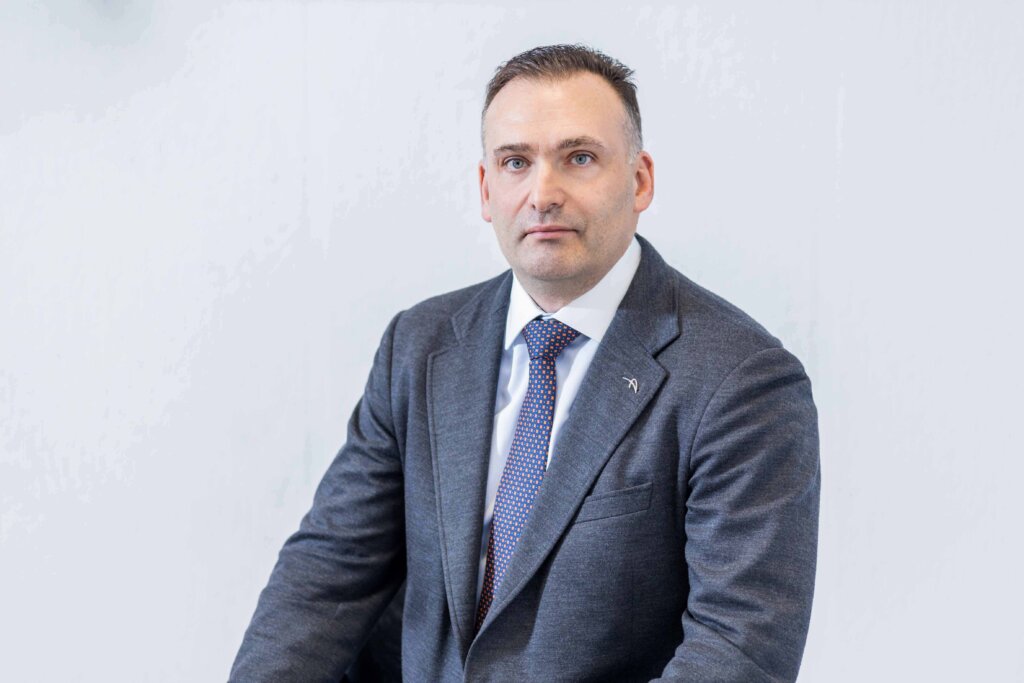
Mauro Longobardo, CEO of ArcelorMittal Kryvyi Rih: on the impact of CBAM on Ukrainian steel
As a steelmaker working in Ukraine during a full-scale war, I strongly believe in honest dialogue and fair rules.
From January 1, 2026, CBAM will move from quarterly reporting to a real carbon tax. Let me be clear: CBAM itself is not the problem. It is a legitimate and, in the long term, necessary mechanism to protect investments made by EU companies and regulate carbon-intensive imports. One day, when Ukraine becomes an EU member and operates under the same conditions, CBAM will also make sense for us.
The problem lies in how CBAM has been applied to Ukraine today. In December 2025, the European Commission refused to grant Ukrainian steel producers any exemption or transition period, despite the ongoing full-scale war. An exemption that was discussed for months. The decision was based on some assumptions that the impact on Ukraine would be minimal. From where we stand, these assumptions are deeply flawed.
Ukrainian steelmakers are operating under extraordinary conditions: constant security risks, destroyed infrastructure, disrupted logistics, lack of access to financing and no real opportunity to invest in decarbonization due to the huge extra-expenses necessary to maintain assets operational under rockets and missiles. Treating Ukrainian producers as if they were operating in peacetime Europe ignores this reality and is going dismantle the industry that remains critical for the country’s survival during and after the war.
According to GMK Center, CBAM could cost Ukraine up to $5 billion in export losses over five years. Steel and mining provide 7% of GDP, 15% of exports, and 30% of rail and port cargo turnover. These are not abstract numbers — they are jobs, communities and economic resilience. Pity that such numbers were not even considered by EU decision makers despite the drums always played under slogan like “Support to Ukraine” or “We will not leave you alone”.
For ArcelorMittal Kryvyi Rih, CBAM means an additional $60–90 per ton access cost to EU market. Even though payments will be deferred to 2027, the market reacted immediately and our European customers stopped all orders. We spent three years to develop our positioning in Europe, as replacement of other market we lost due to the war, and thanks to this decision, the exports of 1.25 million tons planned for 2026 – almost half of our annual production - will not take place.
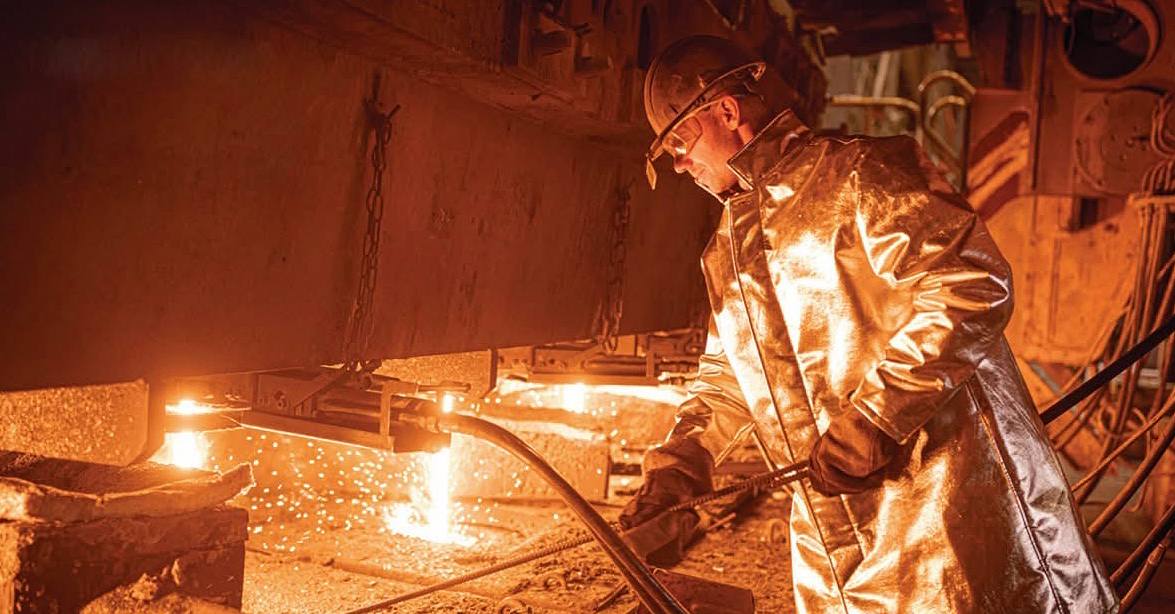
Faced with this reality, with ZERO orders for Europe in our backlog, as a first step we are regretfully forced effective immediately to reduce our production of blast furnaces to the technical minimum. If nothing will happen next step will be the shut-down of the blast furnaces. Runing with one blast furnace will increase so much our cost to make impossible to be financially viable.
Running at minimum production rate will cause a chain reaction of shutting down some downstream production facilities, idling some staff and production cost will rise even further. This happens amid the highest electricity prices in Europe and continued wartime losses, despite more than $1 billion in support from our parent company. We need urgent support from the Ukrainian Government in form of fair regulated energy price.
We are not opposing CBAM. We are asking for fair treatment and this decision is not fair. Without at least a three-year exemption or transition period, Ukraine will lose the core of its steel industry and becoming a raw-materials appendix to the EU (or maybe this is target of EU though). This is definitely not what solidarity with a country at war should look like.
Best regards,
Mauro Longobardo, CEO of ArcelorMittal Kryvyi Rih